Hiking in the Azores: A Trip Planning Guide
Hiking in the Azores means choosing between nine very different islands, planning around Atlantic weather and deciding how much you want to organise yourself. This guide helps you settle on an island, a season and a style of hiking before you book anything.
Azores hiking suits walkers of most levels, from easy coastal paths to a hard climb up Pico, but the islands reward a little planning. The trails are spread across islands linked by flights and, in the central group, by ferry. The weather changes with altitude, many routes are linear and mobile coverage can drop out on the trail.
Here is how to plan hiking the Azores with fewer surprises, whether you want a few day hikes around São Miguel or a walking holiday that takes in several islands.
Which island should you base yourself on?
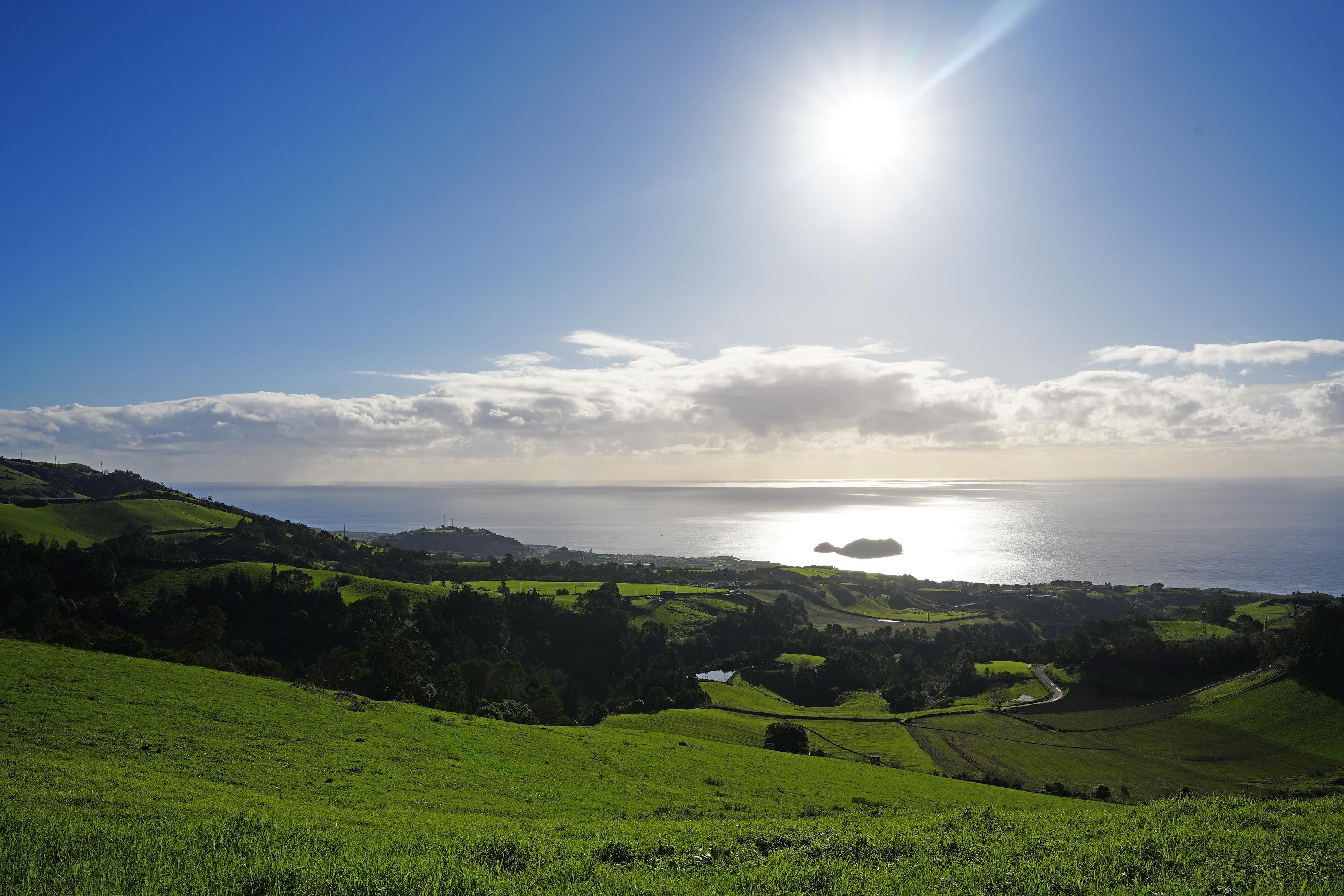
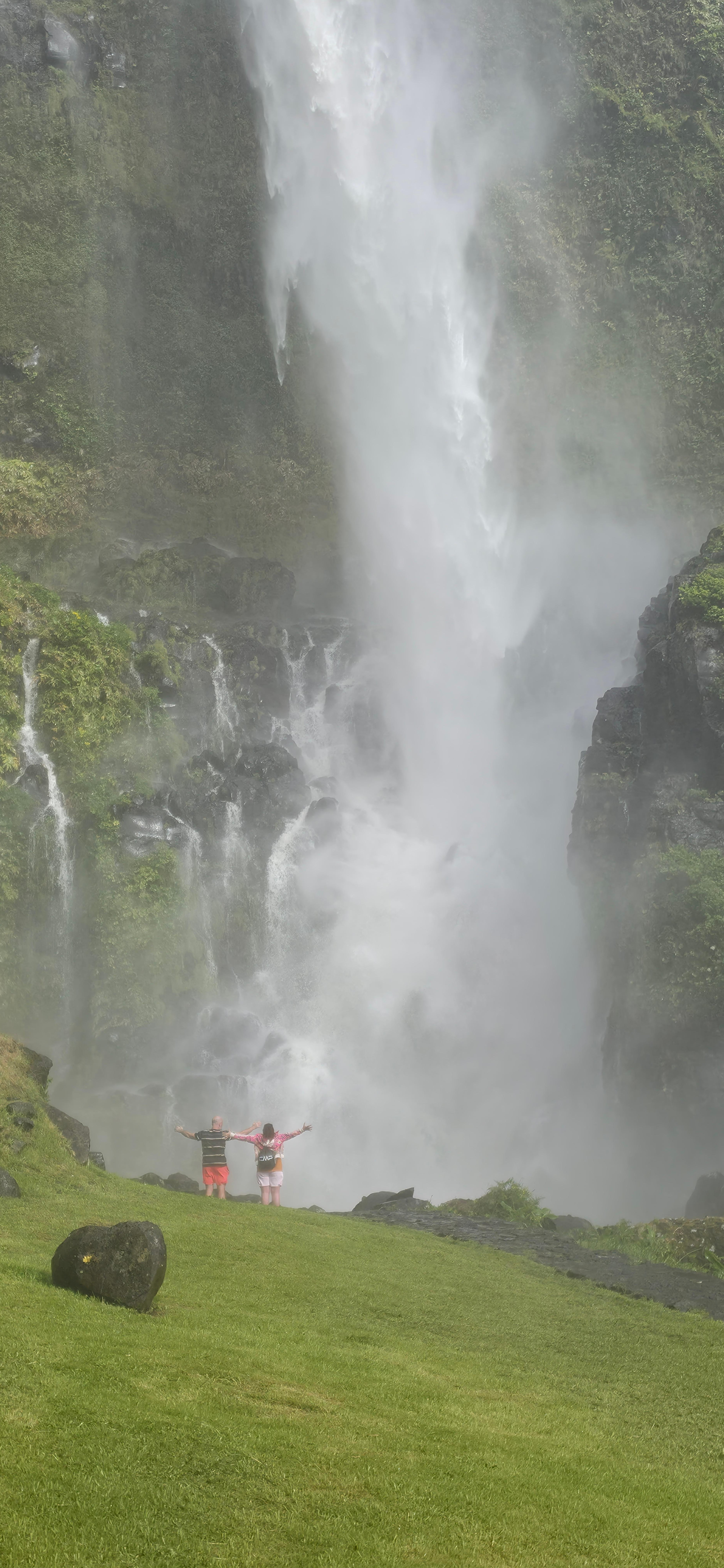
São Miguel is the easiest place to start. It has the widest choice of guided hikes, and its crater lakes at Sete Cidades and Lagoa do Fogo, forest levadas and waterfalls are all within reach of Ponta Delgada.
Pico, Faial and São Jorge work well together. Pico offers the climb to Portugal’s highest summit, Faial has the Caldeira crater loop and São Jorge is known for walks down to its fajãs. Ferries link the three all year.
Terceira mixes easy coastal walks with rough volcanic terrain inland, and Flores, far to the west, suits hikers who want long, wild coastal trails and are happy to travel further for them.
- First visit or short stay: São Miguel
- Summit challenge: Pico, ideally combined with Faial or São Jorge
- Remote coastal walking: Flores
When to go hiking in the Azores
The Azores stay mild all year. In Ponta Delgada, average temperatures range from about 14.5 °C in February and March to 22.5 °C in August. July is the driest month with around 25 mm of rain, while November and December are the wettest at around 120 mm each. July and August are the warmest and sunniest months, which makes them a comfortable choice for high trails and the Pico climb.
Each season has its appeal. Winter walks bring lusher greens, fuller waterfalls and faster streams, while spring and summer fill the trails with flowers and scents. On Pico, the summit can hold snow in winter and spring, and the Mountain House keeps shorter opening hours outside May to September.
- Warmest and sunniest: July and August
- Wettest: November and December
- Pico Mountain House open 24 hours from 1 May to 30 September
Weather on the trail
Mountain weather in the Azores deserves respect even in summer. The upper slopes of Pico see less sun and more rain than the coast, and crater walks such as Faial’s Caldeira are only recommended on clear days with good visibility.
Check the forecast before every hike and dress in layers you can add or remove, with sun protection and a waterproof. Expect mud on forest and levada paths, particularly on routes such as the climb to Lagoa do Fogo.
- Check the forecast on the morning of your hike
- Pack layers, a waterproof and sun protection
- Choose clear days for crater rims and viewpoints
Getting to trailheads and between islands
SATA Air Açores operates flights between the islands, useful for reaching Flores or combining São Miguel with the central group. Between Faial, Pico and São Jorge, Atlânticoline runs ferries all year, and the crossing from Horta to Madalena on Pico takes about 30 minutes with four to six sailings a day, depending on the month.
On the ground, the main challenge is linear trails. If you are hiking independently, plan how you will get back to your start point before you set off. Guided hikes on São Miguel and Terceira usually include pickup, while Pico climbs meet at the Mountain House rather than at your accommodation.
- Inter-island flights reach every island
- Year-round ferries link Faial, Pico and São Jorge
- Linear trails need a transport plan
How fit do you need to be?
Official Azores trails are graded easy, medium or hard. Easy and medium routes suit most people who walk regularly and wear good shoes, but even easy trails can include steep, slippery descents such as the descent toward Arrebentões on the Sete Cidades trail or the stone path into Sanguinho.
Pico is in a different category. Guided climbs expect you to manage about 300 metres of altitude per hour, and operators set age limits, with no children under 12 and upper limits of 60 or 70. If you are unsure, build up with a medium trail on São Miguel before committing to the summit.
- Easy: gentle trails with short climbs
- Medium: longer days, mud and steady ascents
- Hard: sustained climbing or rough volcanic ground
Guided or self-guided hiking?
Self-guided hiking works well in the Azores because official trails are waymarked, with numbered marks every 500 metres, and the official trail network publishes current alerts when a route closes. It gives you full freedom over timing and pace, but you take on the transport, the weather decisions and, on Pico, the registration.
A guided hike suits you if you do not want to drive, if your time on an island is short or if you would like someone else to judge the conditions. Guides can switch to a safer trail on a wet day and explain the geology, plants and history you would otherwise walk past. You can also mix both, walking easy trails alone and booking a guide for Pico or a long linear route.
If you are looking for a walking holiday, you can build one from day hikes on two or three islands. On São Jorge, a guided trip even includes a night of camping in a fajã below the cliffs.
- Self-guided: freedom and lower cost, more planning
- Guided: pickup, local knowledge and weather judgement
- Mixed: independent easy walks plus a guided summit
Trail safety essentials
Before you leave, tell someone where you are going and when you expect to be back, and check the Azores Trails alerts page for temporary closures. Carry enough drinking water for the whole route, because water from streams and lakes is not safe to drink.
On the trail, follow the waymarks and never take shortcuts. Mobile coverage may only work at the start and end of a trail, so note the emergency number, 112, before you go.
- Emergency number: 112
- Check trail alerts before you set out
- Carry enough water for the full route
Sources
Turn your hiking plan into a booked day
Once you know your island and season, compare guided hikes from crater-lake days on São Miguel to the summit of Pico.
Compare Azores hiking tours